
Neurodiversity is a word that appears more and more often — in psychology, education, workplaces, and social media. Sometimes it sounds empowering, sometimes confusing, and sometimes like just another label. So what does it actually mean?
Neurodiversity is a word that appears more and more often — in psychology, education, workplaces, and social media. Sometimes it sounds empowering, sometimes confusing, and sometimes like just another label. So what does it actually mean?
At its core, neurodiversity refers to the natural variation in how human brains work. Just as we differ in personality, culture, or temperament, we also differ in cognition, attention, sensory processing, and emotional regulation. There is no single “normal” brain — only different ways of thinking, learning, and experiencing the world.
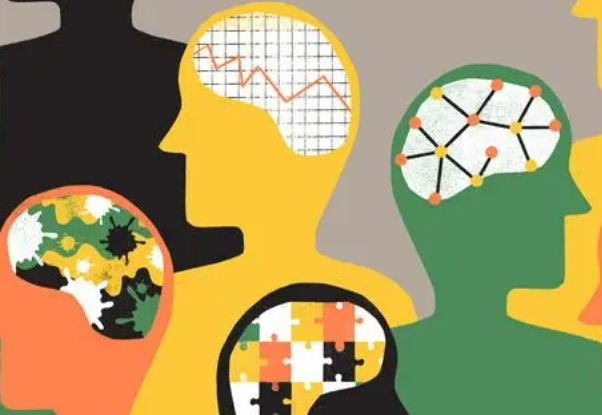
Neurodiversity is the idea that neurological differences are to be recognized and respected as any other human variation.“
– Judy Singer
Neurotypical people
The term includes neurotypical people as well as those who are neurodivergent. Neurodivergence may involve conditions such as ADHD, autism, dyslexia, dyspraxia, or Tourette syndrome. These are not simply deficits or disorders; they are patterns of functioning that come with both challenges and strengths.
Neurodivergent individuals may process information differently, notice details others miss, think in non-linear ways, or experience heightened sensitivity to sounds, light, or emotions. At the same time, they may struggle in environments designed for a narrow idea of “normal” — rigid schedules, constant multitasking, or unspoken social rules.
Understanding neurodiversity shifts the focus from “fixing” individuals to adapting systems. It invites questions like: What does this person need to function well? rather than Why can’t they adapt? This perspective is increasingly influential in clinical psychology, education, and organizational culture.
Importantly, acknowledging neurodiversity does not mean ignoring real difficulties. Support, therapy, accommodations, and sometimes medical treatment can still be essential. The difference lies in the intention: helping people thrive as they are, not forcing them to fit a mold that was never designed for them.
Neurodiversity is not a trend or a denial of science. It is a framework — one that recognizes complexity, respects difference, and values human variability.
In a clinical context, this approach allows for more accurate understanding, less shame, and more effective support. Because when we stop asking people to be different, we can finally start helping them live better — on their own terms.